









 NBA SIMS LEAGUE

The Oklahoma City Thunder front office entered the offseason from a position that looked enviable on paper but felt far more fragile internally. Fresh off a first-place finish in the Western Conference, Oklahoma City had every reason to believe it was a contender. Yet a first-round playoff exit, combined with the reality that the Thunder controlled none of their own future draft picks, forced a harder internal reckoning.
"We had to be honest with ourselves," the Thunder GM said. "Regular-season success doesn't mean much if it doesn't translate. And success in a league where you have to hope for injuries on other teams is not sustainable."
That assessment set the tone for one of the most aggressive and strategically layered stretches of roster management the league has seen this year. Rather than doubling down on a roster that had already shown its limitations, Oklahoma City opted for recalibration —” reshaping the core, rebuilding its asset base, and redefining what real contention would look like.
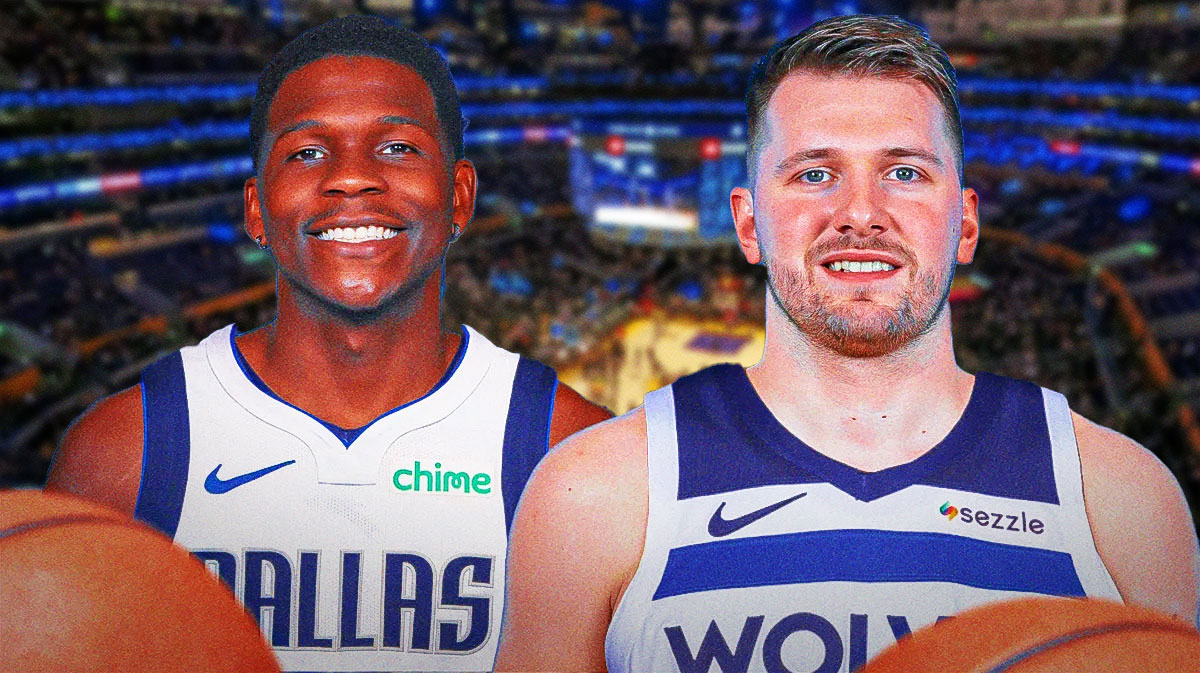
The defining move came on January 30, when the Thunder sent Anthony Edwards to the Portland Trail Blazers in exchange for Donovan Mitchell and a substantial haul of draft capital. Oklahoma City acquired multiple first-round selections —” several via Phoenix and one from Indiana —” along with a deep collection of second-round picks. The deal immediately altered the league's landscape, trading Edwards' long-term upside for Mitchell's established star power while simultaneously restocking an empty cupboard.
"We didn't have the luxury of standing still," the GM said. "If you don't control your picks, you need to control your outcomes. This deal gave us clarity and leverage."
Around the league, the move was viewed as a pivot toward realism. Oklahoma City didn't retreat from contention; instead, it sought to eliminate the uncertainty that had surfaced in the playoffs, where half-court scoring and late-game reliability proved decisive.
That same clarity guided a series of quieter but no less deliberate moves. On January 29, the Thunder sent De'Anthony Melton to Brooklyn in exchange for center Jock Landale, addressing a need for frontcourt stability and physical presence. Later that day, OKC completed a second deal with the Nets, acquiring G.G. Jackson for Adem Bona. Jackson's developmental upside and scoring instincts made him a more attractive long-term piece than a traditional depth big, particularly given the Thunder's evolving roster balance.
"We needed to get younger in the right spots and tougher in others," the GM explained. "That meant being selective."
The recalibration continued on February 5, when Oklahoma City traded Anfernee Simons and a future first-round pick to the Phoenix Suns for Miles Bridges. While Simons' offensive production was valued, the Thunder viewed Bridges as a cleaner fit alongside Mitchell —” a wing capable of defending multiple positions, attacking the rim, and contributing without dominating the ball.
"Miles helps us raise our floor," the GM said. "And in the postseason, your floor matters just as much as your ceiling."
The most complex transaction arrived on February 10 in a three-team deal involving Minnesota and Portland. Oklahoma City sent out John Konchar and received Dante Exum, Kobe Brown, and a future second-round pick from Detroit. While Exum is expected to miss the remainder of the season due to injury, the Thunder were comfortable absorbing his contract as part of a broader asset play. Brown offers a cost-controlled developmental option, and the additional pick further strengthens Oklahoma City's growing draft arsenal.
"Once we accepted that last year's result wasn't good enough, everything became about positioning," the GM said. "Not just for this season, but for the next move after that."
That positioning is now unmistakable. Oklahoma City enters the next phase with a proven star in Mitchell, a versatile two-way wing in Bridges, a deeper and more flexible rotation, and —” critically —” restored control over its future. League executives have taken notice.
"They're dangerous again," one rival executive said. "Not because they went all-in, but because they gave themselves options."
For a team that learned the hard way that regular-season dominance does not guarantee postseason success, the message is clear. The Thunder are no longer chasing the illusion of contention.
They're building something that can actually last.